

5 Early Warning Signs of Nerve Sensitivity (And How to Support Nerve Health)
That “pins and needles” feeling is usually temporary. But when unusual sensations become more frequent, your body may be signaling that your nervous system needs additional support.
Quick Summary
- Early nerve sensitivity can include tingling, burning sensations, or coordination changes.
- Recognizing signs early may help support long-term nerve wellness.
- Lifestyle habits and nutritional support often work together for daily comfort.
what causes nerve discomfort as you age.
You can also explore how NerveCalm supports nerve wellness naturally through nutritional science and daily support principles.
5 Early Warning Signs to Watch For
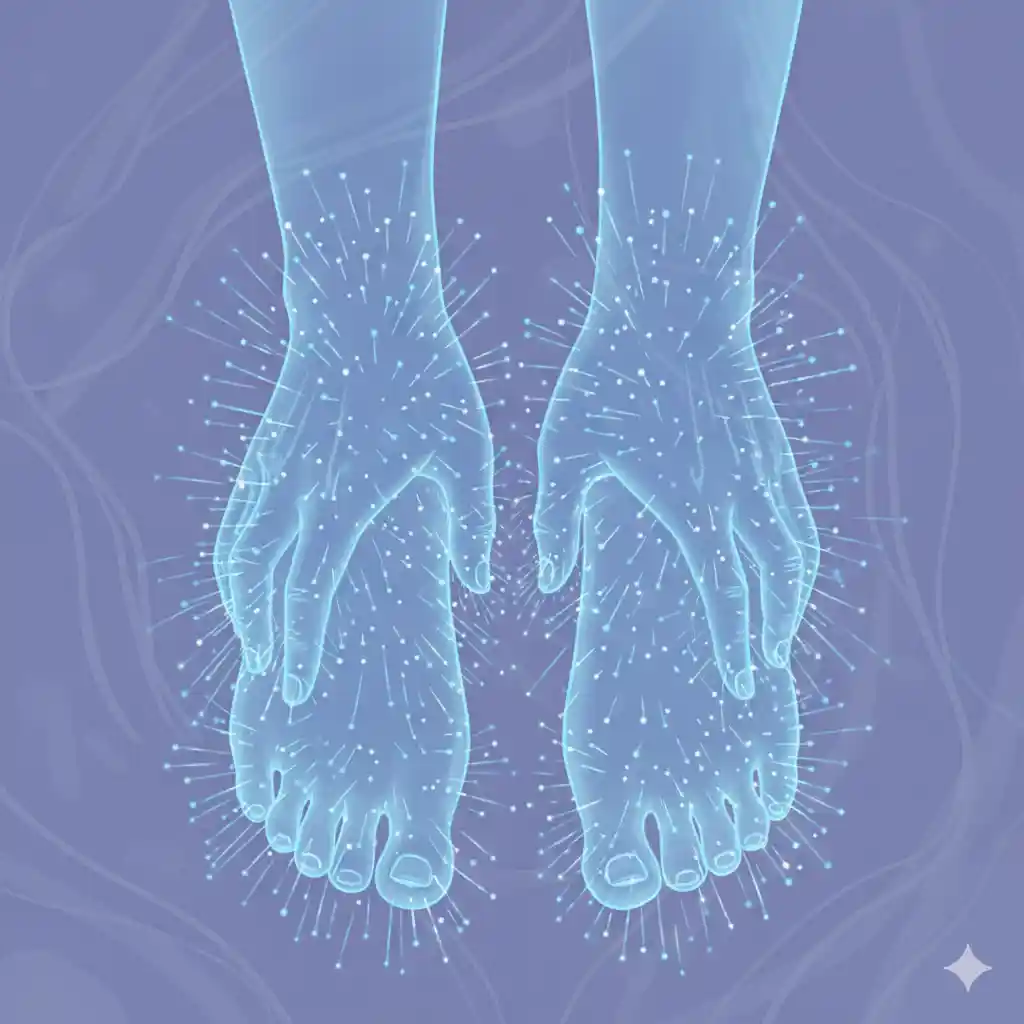
1. Numbness or a Tingling Sensation
This is often the first sign people notice. It may begin in the toes, feet, fingers, or hands and feel like persistent pins and needles.
- The area feels “asleep” without pressure.
- A fizzy or prickling sensation under the skin.
- Gradual loss of sensation or temperature awareness.
What it means: Sensory nerves may not be transmitting signals efficiently. Some people explore botanical nutrient support to help maintain healthy signaling — see the full
ingredient science overview.
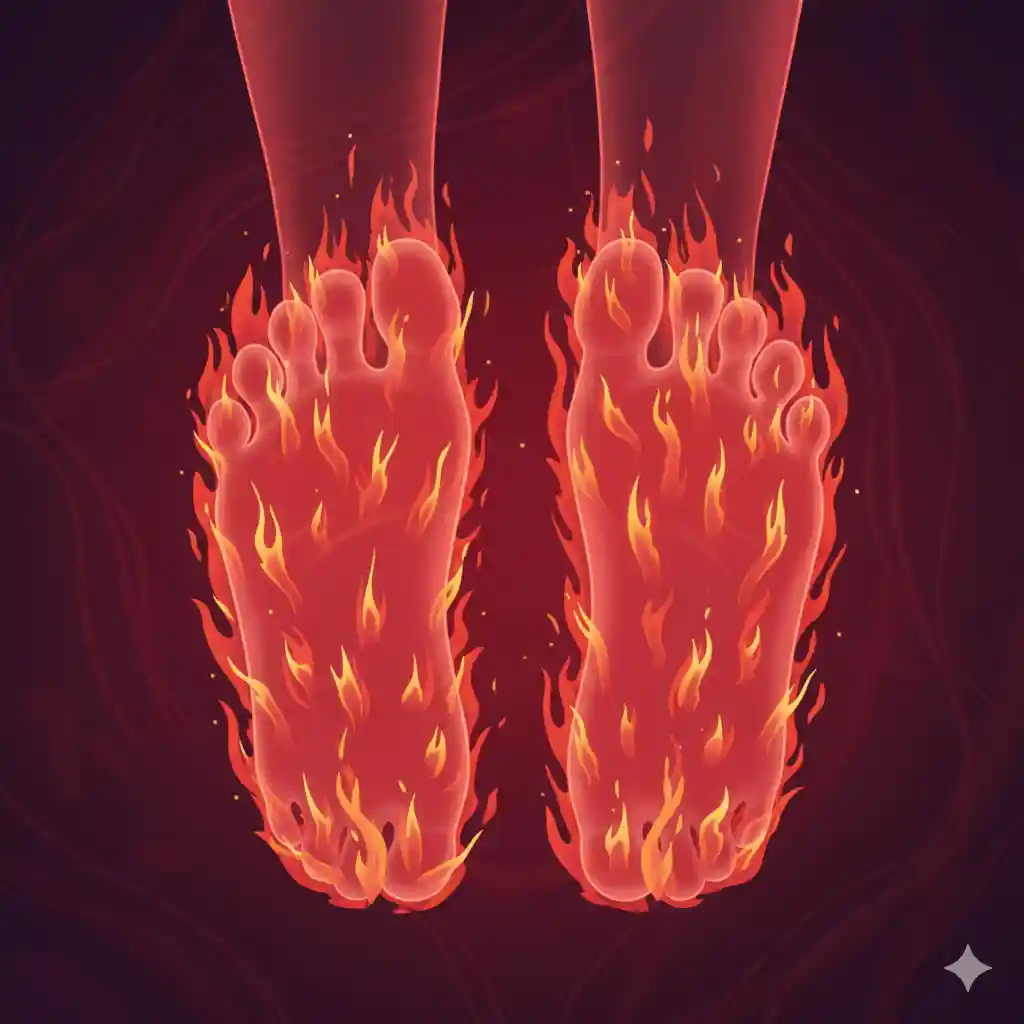
2. Burning or Electric-Shock Feelings
Irritated nerves may send exaggerated signals that feel sharp, burning, or electric-like.
- Sudden shooting sensations through limbs
- Burning feelings that worsen at night
- Heightened sensitivity to touch
What it means: Overactive nerve signaling can increase discomfort. Many people look into
natural approaches to daily nerve support alongside healthy lifestyle habits.
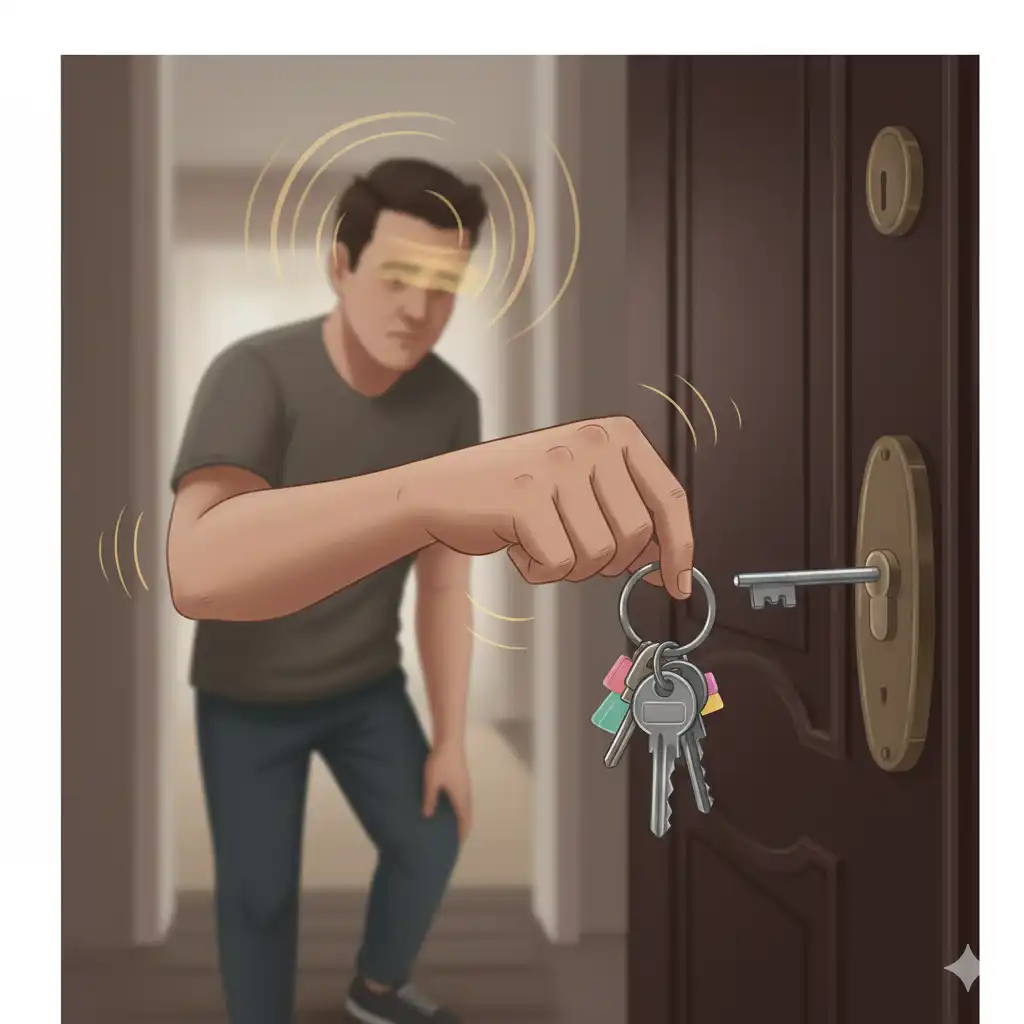
3. Muscle Weakness or Loss of Coordination
Nerves help muscles receive instructions from the brain. When communication is disrupted, movement may feel weaker or less stable.
- Difficulty gripping objects
- Unsteady balance
- Frequent stumbling or tripping
What it means: Healthy circulation and signaling are important for muscle response. Learn more in our guide explaining
how nerve support works over time.
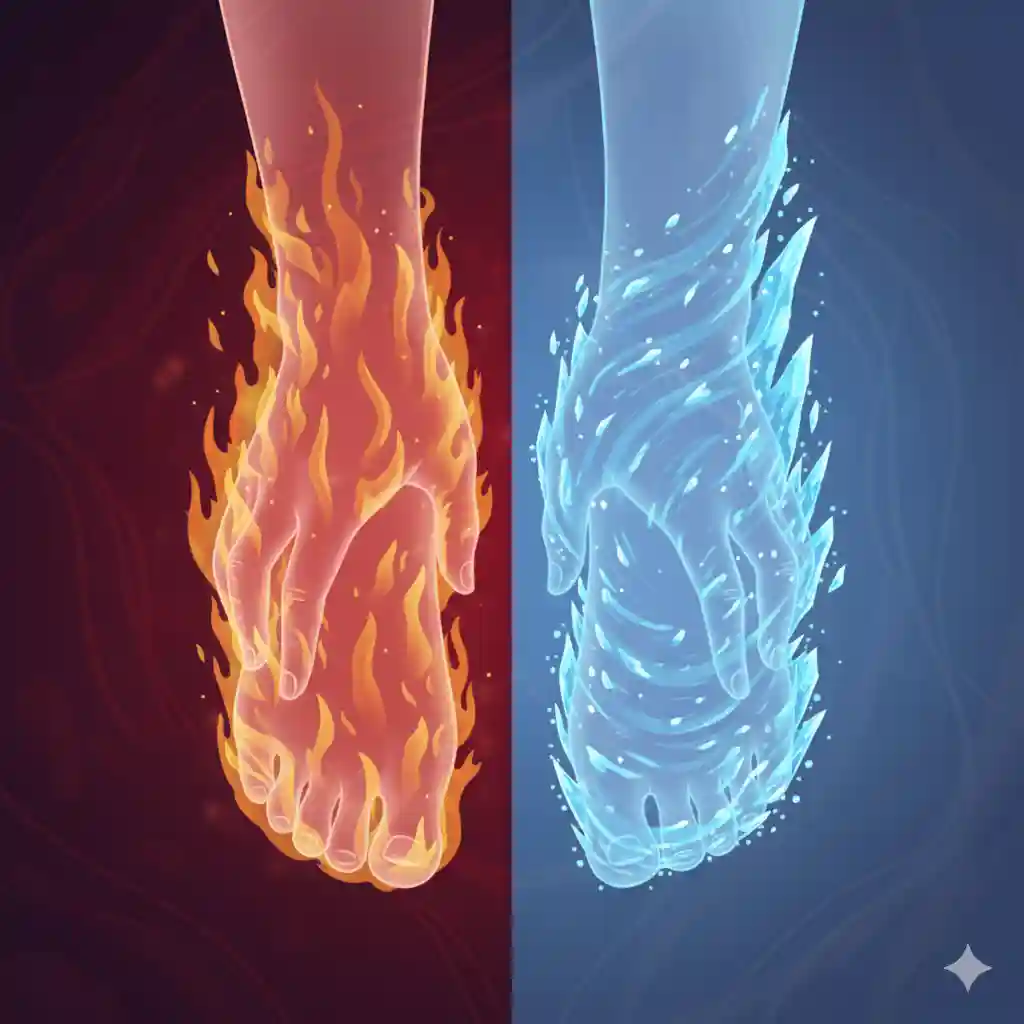
4. Increased Sensitivity to Temperature
Your nerves help detect heat and cold. Changes in sensation may indicate disrupted signaling.
- Difficulty sensing hot or cold accurately
- Hands or feet feeling unusually cold
- Painful reactions to mild temperature changes
What it means: Temperature-related nerve signals may not be functioning optimally.
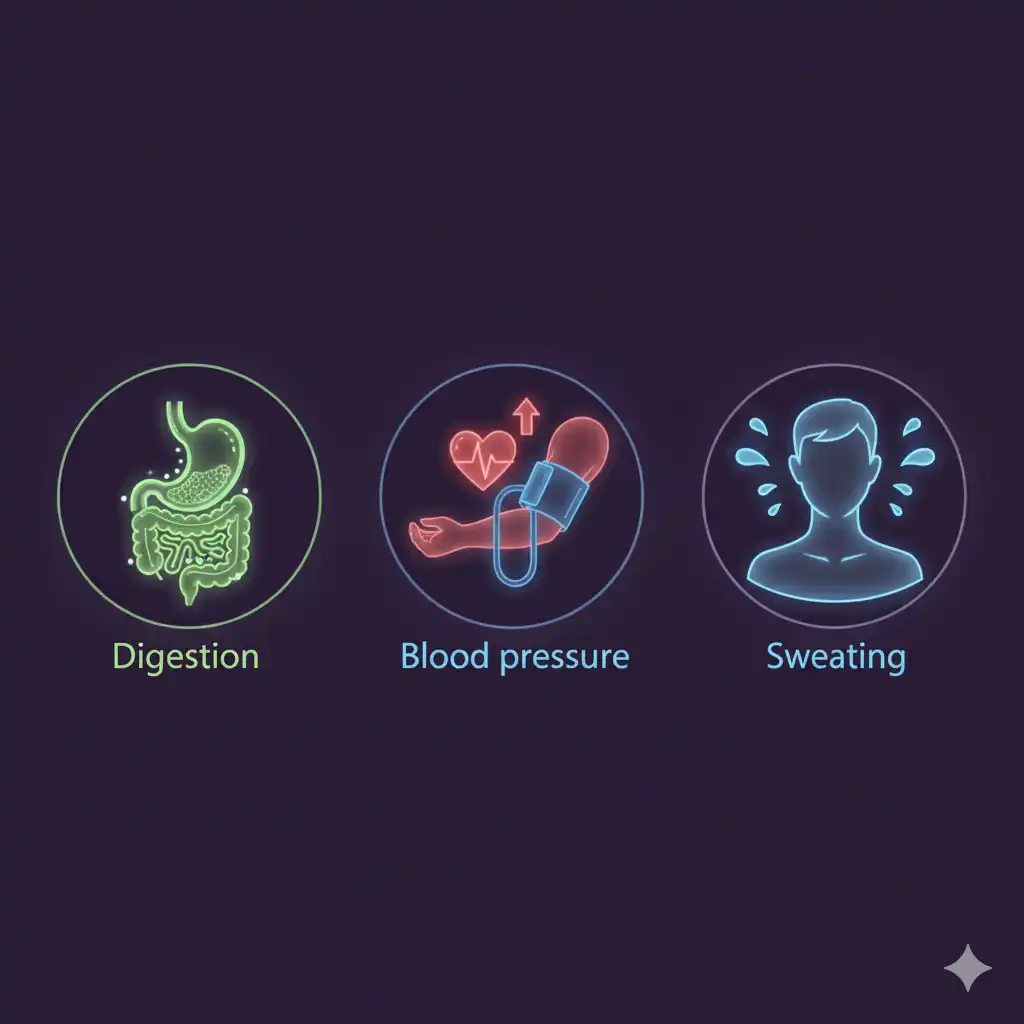
5. Changes in Automatic Body Functions
Some signs are less obvious because they affect automatic processes controlled by nerves.
- Changes in sweating patterns
- Feeling lightheaded when standing
- Digestive discomfort such as bloating
What it means: Autonomic nerves may be involved. If you’re unsure whether nerve support is right for you, visit the
NerveCalm FAQ page.
Supporting Long-Term Nerve Wellness
Early signs of nerve sensitivity can be a reminder to pay closer attention to overall health, lifestyle balance, and nutritional support. Consistent habits such as proper sleep, movement, and stress management all contribute to nervous system wellness.
Many people also wonder
how long nerve support typically takes to work when building a daily routine.
If you want to explore a plant-based approach, you can
learn how NerveCalm supports daily nerve comfort or review the
full ingredient breakdown here.